Quick Answer
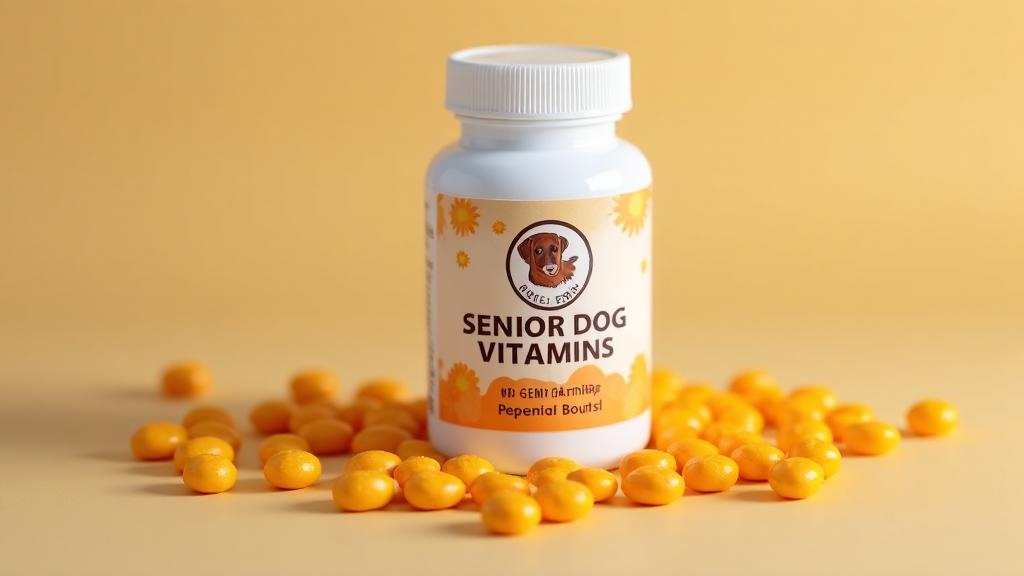
Senior dog vitamins can support joint health, digestion, cognitive function, and overall wellbeing as your dog ages. There is no single "best" supplement, the right choice depends on your dog's specific needs. A veterinarian's guide recommends starting a senior supplement around age 7 for medium-to-large breeds and age 10 for small breeds.
Main Explanation
As dogs enter their senior years, their bodies undergo several changes: cartilage breaks down, nutrient absorption decreases, inflammation levels rise, and cognitive function may decline. Supplements can help address these shifts, but not all products are created equal.
The Four Main Categories of Senior Dog Supplements
According to a veterinary blog, geriatric dog supplements fall into four categories:
- Multivitamins – Provide a broad base of vitamins, minerals, and omega fatty acids to fill nutritional gaps.
- Prebiotics & Probiotics – Support digestive health and nutrient absorption.
- Antioxidants – Help combat oxidative stress and support immune function.
- Amino & Fatty Acids – Support joint health, skin, and coat.
- Joint stiffness or mobility issues
- Itchy skin or dull coat
- Digestive upset or poor appetite
- Cognitive decline (confusion, anxiety)
- General aging support
- Joint support – Look for glucosamine, chondroitin, MSM, or omega-3s.
- Skin & coat – Omega fatty acids (fish oil) are key.
- Digestive health – Probiotics and prebiotics.
- Cognitive function – Antioxidants and DHA are sometimes included.
- General wellness – A complete senior multivitamin.
- List specific active ingredients (not just "proprietary blend").
- Are made by reputable manufacturers with transparent sourcing.
- Have clear dosage instructions and are appropriate for your dog's size.
- Senior dog supplements are not mandatory for every dog, but they can be beneficial when targeted to specific health changes.
- Start early (around age 7 for medium-to-large breeds and age 10 for small breeds) to support healthy aging rather than waiting for problems.
- Avoid over-supplementing, sticking to one or two well-chosen products is usually better than a cocktail of overlapping ingredients.
- Zesty Paws. Shop Senior Dog Supplements. https://zestypaws.com/collections/senior-advanced
- VetriScience. Senior 27+ Active Health for Dogs. https://www.vetriscience.com/senior-27-active-health-for-dogs.html
- Dr. Julie Buzby. Senior Dog Supplements: A Veterinarian's Guide. https://toegrips.com/senior-dog-supplements
- Stine Veterinary Hospital. Best Vitamins & Supplements For Geriatric Dogs. https://www.stinevet.com/site/blog/2022/09/30/best-vitamins-supplements-geriatric-dogs
- Vetster. What supplements or food does my senior dog need? https://vetster.com/en/wellness/what-supplements-or-food-does-my-senior-dog-need
- Purina. Should You Give Your Senior Dog Supplements? https://www.purina.com/articles/dog/senior-dog/health/supplements-for-senior-dogs
- VitaDog Nutrition. Best Supplements for Senior Dogs 2026: The Complete Stack. https://www.vitadognutrition.com/blogs/compare/best-supplements-for-senior-dogs
What the Market Offers
Brands such as Zesty Paws offer a range of senior-specific products, including multivitamin bites, hip & joint chews, probiotic bites, and cognition support. VetriScience produces the Senior 27+ Active Health multivitamin, which contains 25+ key vitamins, minerals, and omega fatty acids from fish oil. These are only examples, many other quality products exist.
Decision Framework: How to Choose the Right Senior Dog Vitamin
Use these ordered steps to select a supplement that fits your dog's needs:
Step 1: Consult Your Veterinarian
Talk to your vet before starting any supplement. They can assess your dog's health, recommend specific nutrients, and rule out interactions with medications.
Step 2: Identify Your Dog's Primary Need
Pinpoint the main area your dog needs support. Common senior concerns include:
Step 3: Pick a Supplement Type
Match the supplement to the need:
Step 4: Check for Quality Markers
Look for products that:
Step 5: Introduce Gradually and Monitor
Start with the recommended dose and watch for any digestive upset or allergic reactions. It can take several weeks to see improvements in mobility or coat condition. Track and adjust under your vet's guidance.