Quick Decision Framework
- Match the collar type to your dog’s needs (e.g., flat for everyday, martingale for training).
- Prioritize durability, material, and adjustability over aesthetics.
- Choose a brand that offers a strong guarantee (e.g., lifetime or replacement policy).
- Everyday flat collars: Best for daily walks and ID tags. Popular option: LupinePet Solids Dog Collar, backed by a “Even-if-Chewed Guarantee”.
- Large, strong dogs: The Black Rhino Comfort Collar is recommended for its extra durability.
- Small dogs: The Digs Velvet Collar is noted for being gentle on small breeds.
- Nighttime/low-light safety: The Illumiseen LED Collar is designed for visibility.
- Training (martingale): The Ruffwear Web Reaction Martingale prevents slipping without choking.
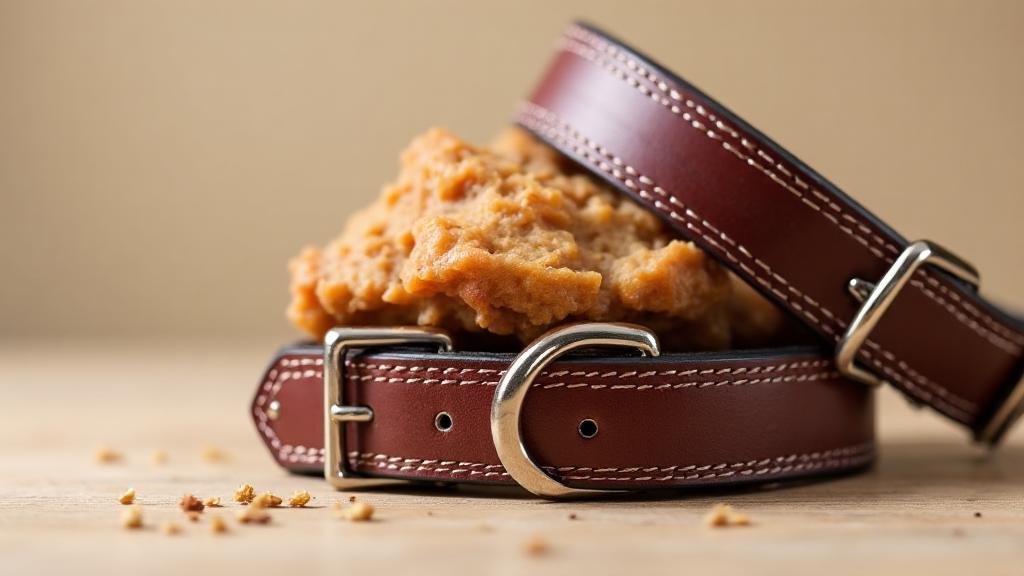
- Leather: The Batik Bone Dog Collar is a top leather pick for comfort and style.
- Reflective: The Orvis Personalized Reflective Dog Collar combines identification and safety.
- Material: Nylon webbing (durable, easy to clean), waterproof biothane (odor-resistant), or leather (strong, traditional).
- Hardware: Look for rust-proof steel D-rings and sturdy buckles to ensure longevity.
- Fit: Allow two fingers to slide between the collar and your dog’s neck for a proper fit.
- Guarantee: Brands like LupinePet (lifetime chew guarantee) and Atlas Pet Company (lifetime warranty) offer long-term value.
- For active outdoor dogs, prioritize weather-resistant materials like biothane or reinforced nylon.
- For indoor or low-activity dogs, softer materials (e.g., velvet) or decorative collars work well.
- A strong guarantee can save money if your dog chews through collars or hardware breaks.
Collar Types Based on Dog's Needs
Key Features to Evaluate
Practical Takeaways
Always measure your dog’s neck circumference and consult a trainer if using special collars (e.g., martingales) for the first time.